

So, what not to tell the little ones?
Don't overreact! Children can't manage their emotions very well and don't know how to estimate the gravity of a situation. Although it may seem like nothing to adults, and the child's reaction is too exaggerated, mentioning this invalidates their feelings and doesn't let them organize their thoughts correctly. A communicative approach is indicated, where with the help of questions, the little one is easily guided towards the conclusion that the situation isn't as serious and they can cope.
You're selfish. First of all, most people are more or less selfish, it's something natural and as long as it doesn't harm anyone, it's not a problem. And small children can be selfish, sometimes in a very obvious or annoying way (for other children or adults), but that is just a moment in life. Instead of including them from the start in a certain category of people, it's better to explain how some gestures are not okay and how these can hurt those around them. Thus, they can begin to make the difference between being a selfish person and making a selfish gesture.
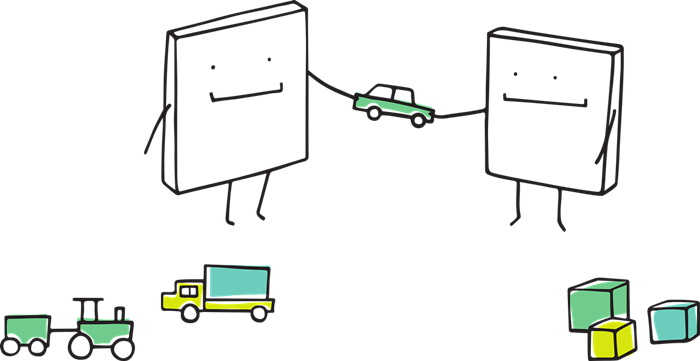
Why can't you be like...? It doesn't make any sense to compare little ones with their brothers, sisters or classmates. Maybe many of us have heard this when we were kids, but comparisons of this kind don't help anyone. We need to accept that we are all different and that we cannot be as good at math, sports, organization or anything else. Children are often marked by these comparisons on a subconscious level and will grow up believing they need to be like someone in particular to get affection or parental approval. Instead of saying "why can't you be as organized as your brother?", you could say "your room is messy, what's your plan to fix this problem?". Start a constructive conversation!
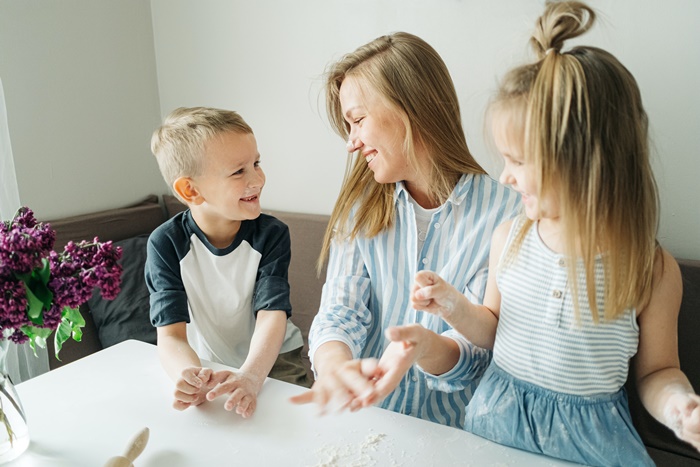
Don't be shy! Every child has their own pace of adapting to people and situations, and this must be respected. Of course, sometimes you have to overcome shyness in order to become adults who function well in the community, but we have an article about how we teach little ones courage, Patience and gentleness. Timidity is not a defect and should not be treated as such, but neither should it be encouraged to absurd limits.
I don't believe you! To help little ones feel comfortable discussing anything, create an environment of acceptance and trust. A seemingly harmless phrase like "I don't believe you" can severely affect the relationship and lead to unwanted behaviors in the long term, such as avoiding conversations, telling white lies without reason or hesitation to share anything. If it seems that the child is lying, try addressing them with questions that will subtly guide them towards telling the truth voluntarily.
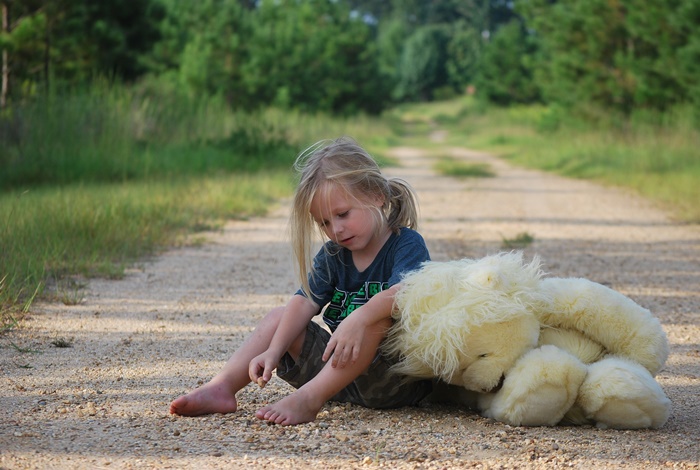
You're a bad child! These words are usually thrown in tense moments or when little ones break something or behave in an unpleasant way (for example, they're aggressive). By throwing these kinds of adjectives at them, their self-confidence and even the value system is affected. It's much simpler to say "you did something wrong" or "it's not right to behave like that". Thus you will attribute negative qualities to the action, not the person.
No more crying! Has anyone ever told you to stop crying? Did it work? Children have various reasons for crying: some are physical traumas, others are emotional. Whether they've hurt their knee or another child has taken their toy, the event is unpleasant and crying is one of the few options young children have to release. Moreover, if they're told to stop, they won't know what's wrong, what they did wrong, why it's not okay to express themselves in this way, etc. It's essential to be by their side in these moments, so they know they're not alone and will calm down faster.

You're the best at... Of course, praise has its place and time in every child's life, but repeating this phrase, regardless of what ability it is about, the child will believe that it is a natural gift and will consider that it is self-evident that they are the best. They will be less inclined to work to evolve in the respective field, and their self-respect will be destroyed when they meet someone more skilled than them. It's important again to praise certain achievements, but not to use superlatives of this kind repeatedly and unjustifiably.
Leave me alone! No matter how bad your day was, no matter what problems you have at work or in the community where you live, your child should not suffer because of it. For him, you are the most important person and it's natural for him to want to spend time with you, and rejections of this kind will hurt him a lot. If you still feel that you don't have the necessary energy for a good interaction, you can ask him to give you some space. You explain that you need a few minutes to calm down, then you will spend time together and everything will be fine. If it's about a baby who cannot understand these things, you can ask your partner to take your place for a while until you calm down.
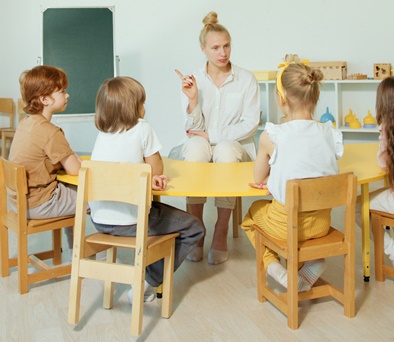
Because I said so! Children need to understand that there are limits and discipline, and rules to follow, but these should not be imposed abusively, unconditionally, without being at least explained. Even if they are small, toddlers have their own personality and thought process and should not be treated as if they cannot understand the most basic things. Instead of telling them "you can't play outside because I said so" you can offer a relevant reason such as "don't play outside today because it's raining, cold and you'll get dirty/ill" etc. Even if they don't fully understand the consequences and even if they don't always react rationally, by giving them a real reason you will give them the opportunity to understand responsibility for their actions and validate their sense of being a full member of the family.

Of course, there would be more to add, because we communicate mostly through words and less non-verbally. Little ones often test us, life is increasingly full and busy, we are tired and stubborn, we've heard certain expressions around us or perhaps they simply entered our reflex... However it is vital to learn how to communicate openly and avoid harsh words that we cannot retract no matter how much we wish.
If you like or find our articles useful, you can appreciate them with a share! The information might be helpful to other moms or dads. Thank you!