

So, if you want the little one to enjoy life with a pet companion, what should you know? What are the benefits?
In the first place, little animals teach the young what responsibility and care for others mean, unconditional love and friendship. When they are small they may not understand these things really, but they will feel them! Parents should explain to the small ones that the animal is a member of the family and that it needs, just like a child, attention, love, food and water, play and quiet sleep.
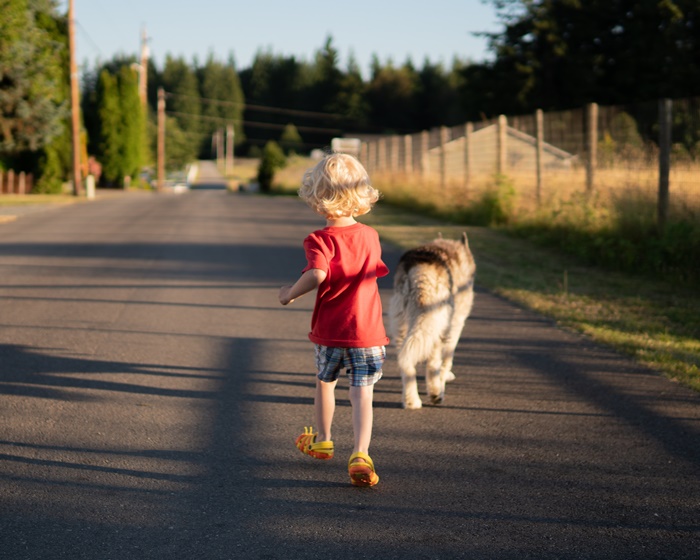
For starters, when they are very small, babies can participate passively in all activities involving the pet, observing and learning, but later they can get involved actively in feeding, grooming, playing, etc. operations. Thus they will discover what responsibility and empathy mean, will get involved in various activities that will teach them to take care of others and will know that they can contribute to the smooth running of household affairs, cleanliness and other "adult" activities.
Another advantage is the development of social skills. The animals do not communicate verbally, which forces us and children equally to be attentive to their behavior and try to guess what they feel. This exercise has positive effects also on inter-human interactions, especially non-verbal ones, and acquiring these skills is extremely beneficial for children. The strong bond that is created can help the development of children's communication skills, open them up to others and have more pleasant interactions. After a study it was observed that young children who share their life and home with a dog are more talkative than those who do not have pets.
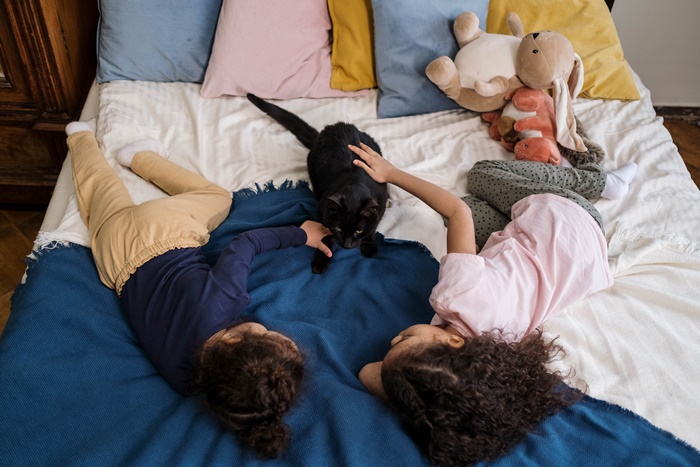
The integration of a non-verbal family member seems to have benefits not only in terms of entertainment, but also for health! Studies show that families with pets have lower risks of allergies in children (allergic rhinitis and asthma) and overall health is better.
Last but not least, pets have a stress-reducing effect! We probably imagine that the little ones don't have reasons to be stressed, but it's not at all like that. Childhood is a time full of things, experiences and new interactions, and the little ones can feel overwhelmed by all this. That's where play comes in! The pet is just waiting to have fun and the little ones (and the big ones too) will enjoy quality time together, without worries or anxiety!
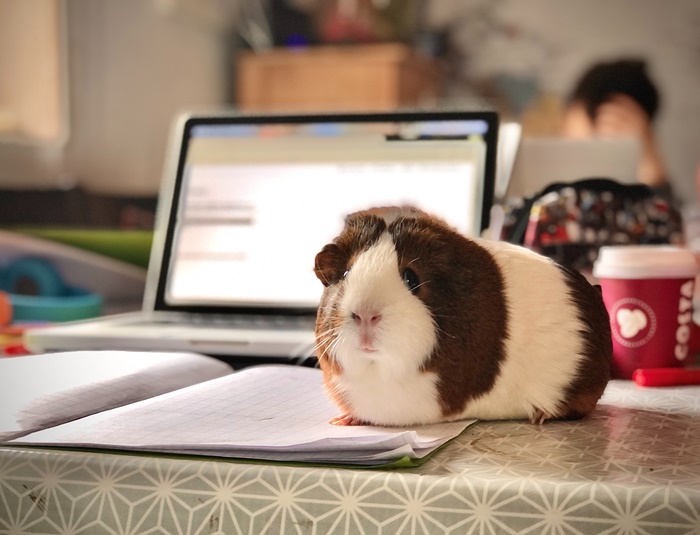
Whatever pet you choose, don't forget that it is a family member and will live with you for a long time! It's not a toy and isn't suitable for those who think they'll get bored easily or those who can't take proper care of it! Inform yourself beforehand about the requirements, regardless of what you choose to adopt, from a beta fish to a German Shepherd!
Which type of family would a dog suit?
Dogs require quite a lot of responsibility, but they come with a pretty relaxed and non-demanding attitude. The dog's size is chosen according to the available space, and it must always be taken into account that some breeds are more energetic than others, so some will feel at home in an apartment and others in a house. Of course, adopting from a shelter is a noble option, by which you save the life of an animal, but make sure to choose a friendly companion and do all necessary treatments so that everyone is safe.
Dogs need a lot of attention, must be taken out at least 2-3 times a day and are dependent on interaction with people. If you're not sure and just want to try, you can try keeping a dog in foster care for a while to see how you manage without taking on long-term responsibility. Be careful though, the whole family might fall irretrievably in love with him and you might not want to give him up.
What family would choose a cat?
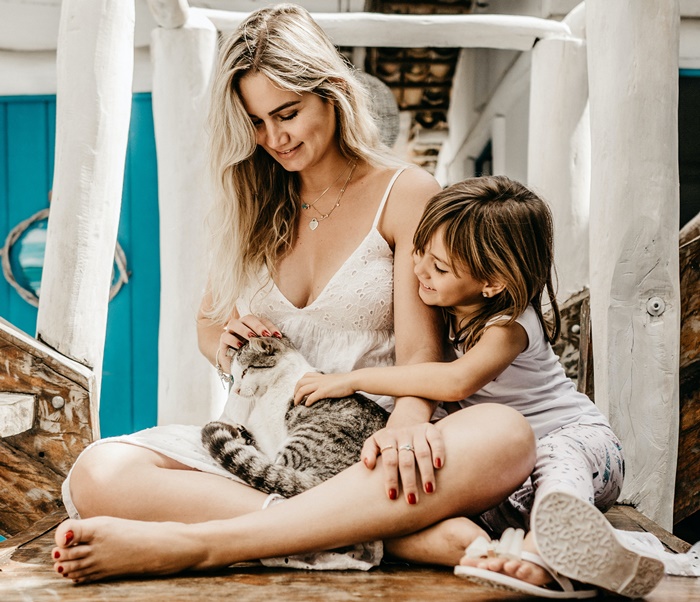
Cats are more independent and require less attention and interaction than dogs, but they are a bit more sensitive to the environment and sometimes easily irritated. They are still very affectionate once they discover the household rhythm, and they like interacting with small children – even if not always from the start. Cats are territorial, which is why the arrival of a new baby in the house can take them some time to process. If a little kitten is adopted after there is already a toddler, it gets used to the new conditions faster.
Unfortunately, cats are easily scared so the little ones need to be taught how to interact with them, where they're allowed to pet them and where not, and when the kitten has or doesn't have a mood for play. It's not very complicated, and if everything goes well, cats can get very attached to the little ones. So, if it's not all rosy from the first interaction, don't be discouraged. Be patient, cats need a bit more time than dogs to feel at ease.
Of course, there are many other pet options, but we'll stop at these two most popular ones. Don't forget that, just like any other family member, the little animal needs love, exercise, a correct diet and regular medical check-ups. All these things may seem like quite big commitments, but the reward is well worth it: unconditional love!